The landscape of higher education and professional credentialing has undergone a profound shift. Traditional academic models, defined by rigid semester schedules, brick-and-mortar lecture halls, and fixed per-credit tuition rates, are increasingly complemented—and in many cases replaced—by flexible online learning platforms. Central to this evolution is the growth of competency based education, an instruction model that awards credit based on a student’s demonstrated mastery of subject matter rather than the total number of hours spent sitting in a classroom.
As self-paced platforms gain widespread adoption, subscription-based learning models have become the standard mechanism for delivering general education coursework and prerequisite requirements. Platforms like Sophia learning provide students with flat-rate, monthly access to college-level courses, offering a cost-effective alternative to standard university tuition. However, navigating these platforms effectively requires a clear understanding of platform mechanics, including active course limits, tier structures, and subscription optimization tactics.
This comprehensive guide explores how course constraints operate, how subscription tiers function, and how students can optimize their learning strategy to achieve maximum credit accumulation per billing cycle.
Understanding Course Limits and Active Concurrency Rules
One of the defining features of subscription-based learning environments is the active course limit. While platforms often advertise unlimited monthly completions for a single fee, they enforce strict concurrency caps that regulate how many courses a student can enroll in simultaneously.
Why Platforms Enforce Concurrency Caps
Platforms implement active course limits for several practical and pedagogical reasons:
- Academic Focus and Knowledge Retention: Limiting simultaneous course load prevents cognitive overload, allowing students to absorb material thoroughly rather than attempting to skim multiple unrelated subjects at once.
- Grading Queue Management: Many courses feature human-graded assessments, such as essays, presentations, or lab reports (frequently referred to as Touchstones). Capping active enrollments prevents grading bottlenecks and ensures instructors can return feedback within reasonable timeframes.
- Platform System Load: Staggering active access maintains database performance and platform stability across hundreds of thousands of active users.
Navigating the Two-Course Rule
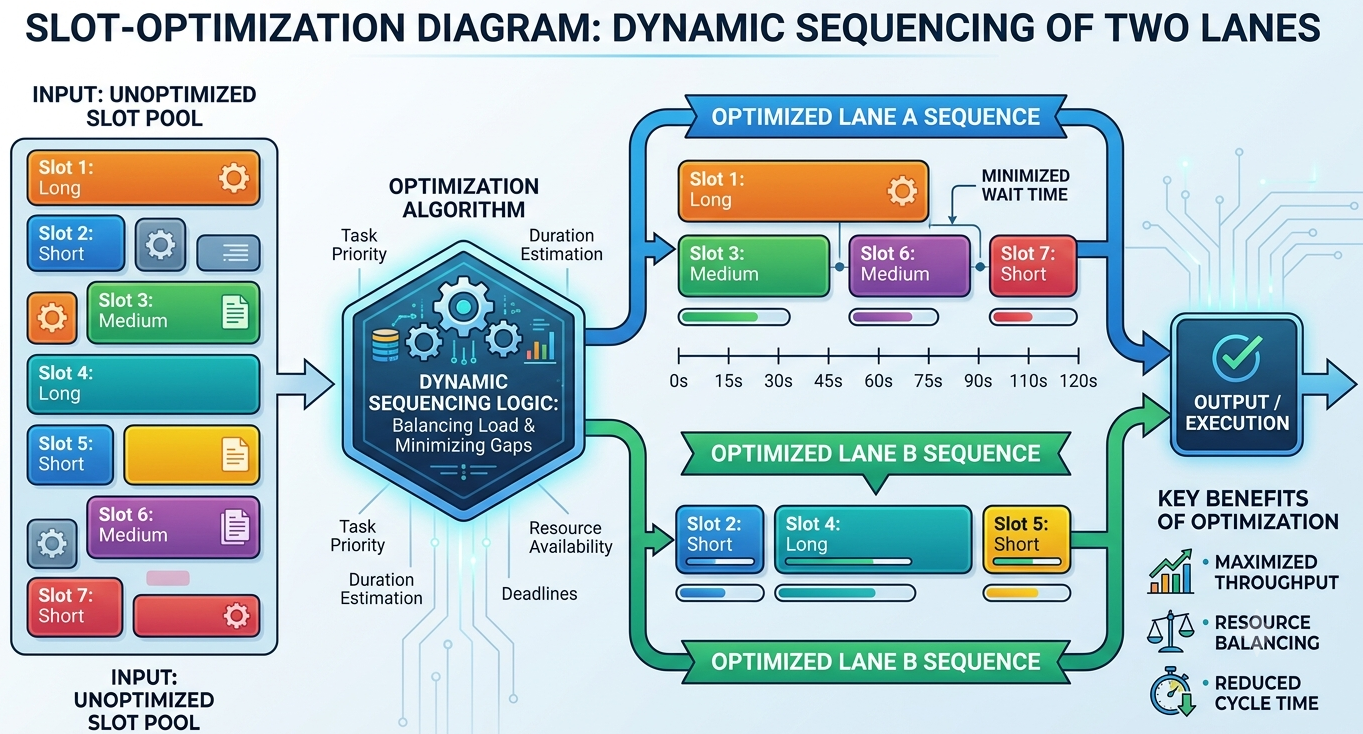
For instance, a standard operational constraint across popular learning platforms is the policy of allowing students to work on Sophia two courses at a time. Under this rule, a learner cannot unlock a third course until one of their two active courses is fully completed and submitted.
Understanding the operational workflow of this rule is critical for maintaining steady academic momentum:
- Auto-Graded Milestones vs. Touchstones: Auto-graded quizzes and exams update immediately upon completion, instantly freeing up a course slot once the final assessment is submitted. Conversely, courses that require written assignments require manual evaluation, which can take anywhere from two to five business days.
- Managing In-Flight Assessments: If both active courses are waiting on touchstone evaluations, a student’s progress can temporarily pause unless they proactively plan around grading queues.
- Requesting Temporary Unlocks: In specific instances where all required assignments for a course have been submitted and are merely awaiting evaluation, customer support services may allow a temporary third course activation upon request, though students should never rely solely on exception policies.
Platform Subscription Models and Tier Structures
Subscription-based education functions under pricing frameworks that differ significantly from standard university billing. Rather than charging a fixed fee per credit hour, platforms usually offer subscription structures designed around access windows and usage tiers.
Common Subscription Tier Models
Online credit platforms generally structure their pricing across three primary tiers:
1. Standard Monthly Subscriptions:
o Structure: A flat monthly rate (typically billed every 30 days) granting access to the entire course catalog with standard concurrency limits.
o Best For: Self-motivated learners who plan to complete multiple courses within a concentrated 30- to 90-day window.
2. Multi-Month or Annual Plans:
o Structure: Discounted lump-sum payments covering 3, 6, or 12 months of continuous access.
o Best For: Working professionals or full-time students balancing academic commitments with busy schedules who require a longer timeline to complete prerequisites.
3. Enterprise or Institutional Access Tiers:
o Structure: Subscriptions fully or partially funded by employer tuition assistance programs or direct university partnerships.
o Best For: Corporate employees pursuing degree completion pathways backed by workplace benefits.
The Mechanics of Flat-Rate Billing
The economic advantage of a subscription model lies in speed and dedication. Because the cost remains fixed regardless of how many credits are earned during a billing period, a student who completes four 3-credit courses in a single month effectively pays a fraction of the per-credit cost incurred by a student who completes only one course in that same timeframe. Recognizing this dynamic is the cornerstone of subscription optimization.
Practical Strategies to Maximize Your Subscription Month
To get the highest possible return on investment from a monthly learning platform, students must approach their coursework with a clear plan. Applying targeted Sophia Learning subscription tips allows learners to avoid unnecessary renewal fees and eliminate downtime.
Pre-Enrollment Preparation
Optimization begins before activating a paid subscription. Students can take several steps to prepare before the billing clock starts:
- Syllabus and Curriculum Review: Publicly available course outlines detail assignment counts, touchstone requirements, and core concepts. Reviewing these materials in advance allows students to identify challenging topics before paying for active access.
- Gathering Study Resources: Compile necessary software, reference books, or writing tools ahead of time so no paid subscription days are lost on setup tasks.
- Auditing Personal Availability: Activate subscriptions during periods with minimal external disruptions, such as planned work breaks, lighter employment shifts, or academic intersessions.
Strategic Sequencing and Course Pairing
To maximize Sophia month efficiency, learners should strategically pair and alternate different types of coursework:
- Pair Auto-Graded Courses with Touchstone-Heavy Courses: Never enroll in two heavy essay-based courses simultaneously. Instead, pair a course that consists entirely of automated quizzes (such as College Algebra or Environmental Science) with a course requiring multiple written papers (such as English Composition or Public Speaking).
- Work Ahead During Grading Windows: While a touchstone is under review in Course A, focus 100% of your daily study time on progressing through the auto-graded modules of Course B.
- Front-Load Heavy Writing Tasks: Complete and submit written assignments as early in the module as possible so that grading turnaround aligns naturally with your study schedule.
Daily Pacing and Execution Tactics
- Set Fixed Daily Study Windows: Consistency yields faster completions than sporadic, multi-hour crams. Dedicating 90 to 120 uninterrupted minutes daily maintains steady progress.
- Utilize Open-Book and Self-Assessment Tools: Make full use of provided practice tests and study guides to master concepts quickly without retaking assessments unnecessarily.
- Track Support Turnaround Times: Monitor platform notification queues so you know the moment a course slot opens, enabling immediate enrollment in your next planned class.
Transferability, Institutional Acceptance, and Degree Acceleration
Earning alternative college credits efficiently is only meaningful if those credits successfully apply toward a recognized degree program. Understanding how alternative credits transfer is essential for building a viable academic plan.
University Acceptance and Transfer Pathways
Before starting any course, students must research which universities accept Sophia credits directly into their major requirements. Transferability typically depends on institutional accreditation standards and formal articulation agreements.
- Partner Universities: Many online-friendly institutions maintain formal transfer agreements with alternative learning platforms, publishing pre-approved equivalency tables that map specific platform courses directly to university course codes.
- ACE and NCCRS Recommendation: Non-traditional learning platforms undergo rigorous curriculum reviews by bodies like the American Council on Education (ACE) or the National College Credit Recommendation Service (NCCRS). Universities that accept ACE-recommended credits will evaluate transcripts on a course-by-course basis.
- Degree Plan Audits: Always consult with an academic advisor or check transfer databases (such as Transferology) to confirm that alternative credits fulfill specific core requirements rather than non-essential elective slots.
The Pathways to Accelerating Your Degree
The combination of competency-based credit acquisition and partner university transfer policies has opened new possibilities for rapid academic progression, with some dedicated students even aiming at finishing a degree in one term.
While completing a bachelor's degree in a single six-month university term is an intensive endeavor requiring significant dedication, strategic platform subscription management makes it achievable through a structured approach:
- Maxing Out Transfer Credit Caps: Most transfer-friendly universities allow students to transfer in up to 75% (or 90 out of 120) of total degree credits required for a bachelor's degree.
- Clearing Lower-Level Requirements First: Utilizing subscription platforms to clear all 100- and 200-level general education requirements—such as history, math, humanities, and basic sciences—before formally matriculating into a university.
- Focusing University Terms on Upper-Division Courses: By entering a university program with all lower-level credits fully satisfied, students can dedicate their official term exclusively to core 300- and 400-level major requirements and capstone projects.
Course and Subscription Checklist for Success
To ensure a smooth academic experience, refer to this practical workflow checklist whenever managing your learning subscription:
Phase 1: Pre-Subscription Planning
o Map out all required degree courses with an academic advisor.
o Verify that target courses carry current ACE recommendations and transfer seamlessly.
o Download syllabi and gather supplemental study materials.
Phase 2: Active Subscription Execution
o Maintain active enrollment in maximum permitted slots while keeping your pairings balanced.
o Submit touchstone assignments promptly to keep grading queues moving.
o Dedicate structured daily study blocks to maintain momentum.
Phase 3: Post-Completion & Transcript Transfer
o Verify that all final grades are logged correctly in your student portal.
o Request official transcript dispatch (via Credly or directly through the platform) to your target university.
o Pause or cancel active recurring billing promptly once target credit limits are reached.
Conclusion
Subscription-based learning models present an unprecedented opportunity for modern students to take control of their educational costs and timelines. By understanding how active course limits function, recognizing the structure of subscription tiers, and applying disciplined course pairing tactics, learners can minimize unnecessary platform expenses while building a reliable path toward degree completion. When aligned with transfer-friendly institutions and clear academic goals, optimized learning subscriptions serve as a powerful engine for accessible, affordable higher education.