-
QUESTION
SMART TECHNOLOGIES FOR ADAPTIVE BUILDINGS
HARVARD REFERENCES SYSTEM- ABOUT THE THESIS-
I HAVE ATTACHED A FILE WITH ALL THE IMPORTANT INFORMATIONS
I HAVE ATTACHED AN EXAMPLE OF CASE STUDY
** the format has to be a pdf +word file ,
(I click the APA format because i think is the most common or a word file ,so pls control it).
SOS. I already have send previously, a file of my thesis, pls don't take it in mind ,because is all copied.!!!!!!..just take a look for an orientation.
2.the 4case studies that i have mentioned,the aim of the analysis of the case studies to arrive to some conclusions and to create a methodology ,how it evaluates on the interior design , a conclusion and a methodology that drives to the Greek Case.
3.the greek case -what change with the transformation to a smart building -The greek case it has to be a transformation to a smart building with its characteristics and its results in the interior design and finally to the best living conditions of users and by the point of view of the interior design.
Please make a good professional job and be precise about datelines!!!
I would appreciate the fact,if you send me some sample of the first chapters,to have an optic of the work.
Thank you !
Master in Interior Design
VERVITA DIONYSIA
Guglielmo Marconi University
November 2020
“SMART TECHNOLOGIES FOR ADAPTIVE BUILDINGS”
VERVITA DIONYSIA
Abstract
Which is the question ?
How smart technologies facilitate the use of our buildings, and specifically how they contribute to save energy at the building scale.
Aims
to illuminate, reflect on the best methodology to transform a building into a smart building in Greece
- How I do this . Methodology
Define the smart building, define what is smart technology
- Research on the various technologies that reduce energy at the building scale
- case studies that already this
- Analysis of the Greek case – example kai feedback of the greek case study
Introduction
ABSTRACT
The digital era also known as the fourth Industrial Revolution is here (Schwab 2016). Around us,smart cities and smart buildings are starting to appear.As technology evolves rapidly and many new technologies and applications have presented themselves ,it strongly influences our everyday lives and the places we live and work .As a result, building development technologies and “smart buildings” are gaining more and more attention and steadily paving the way for the future.
The purpose of this thesis is to clarify the term of “smart building” , to present its characteristics ,to make focus on the advantages of its use in terms of energy saving, security and facilitating the daily life of users.
A review of critical perspective explores the role of Technology contribution to the construction of modern building. An analysis of the most typical automation systems installed in a building as well as structural elements that make up them. It also gives the reader an overview of smart buildings and their capabilities and how they facilitate the daily lives of users.
Information was gathered through bibliographic research, from international and national smart buildings in order to arrive at some conclusions .Finally we conclude by presenting a proposal for a transform building into a smart building ,in Greece with all its advantages and its contribution to the layout and its evolution to the interior design.
-CHAPTER 1-
SMART BUILDINGS
1.1 THE MEANING OF THE TERM “SMART BUILDING”
1.2 THE CHARACTERISTICS OF SMART BUILDINGS
1.3 BENEFITS OF SMART BUILDINGS
1.3.1. Reduced environmental impact
1.3.2. Users Comfort
1.3.3. Preventive maintenance of equipment
1.3.4. Security of users and facilities
1.3.5. Data control and knowledge
1.3.6. Controlled consumption and energy savings
1.4 SMART BUILDINGS AND SMART CITIES
1.5 THE CONTRIBUTION OF TECHNOLOGY
Conclusion:
-CHAPTER 2-
STRUCTURAL TECHNOLOGIES OF BUILDINGS
2.1 INTERNET ON THINGS (IOT)
2.2 CLOUD COMPUTING
2.3 SENSORS
2.4 GRID AND METERS
2.5 BUILDING MANAGEMENT SYSTEM
CONCLUSION:
-CHAPTER 3-
3.1 ZERO ENERGY BUILDING AND ENERGY SAVIN
3.2 PASSIVE BUILDING
3.2 GREEN BUILDING
-CHAPTER 4-
4.1 CASE STUDIES OF MODERN EXAMPLES OF SMART BUILDINGS
4.1.1Siemens’ The Crystal, London
4.1.2. EDGE / AMSTERDAM -NEDERLANDS 2015
4.1.3 ITALY PAVILION - MILAN EXPO 2015 Nemesi
4.1.4 THE SCHOOL OF ARCHITECTURE AT THE NATIONAL UNIVERSITY OF SINGAPORE 2019-SDE4
-CHAPTER 5-
THE GREEK CASE
CONCLUSION
SUMMARIZING –DIALOGUE FOR THE FUTURE
REFERENCES
| Subject | Essay Writing | Pages | 5 | Style | APA |
|---|
Answer
-
-
-
-
Smart Technologies for Adaptive Buildings
Abstract
Technological advances have evolved over the years, constantly changing our daily lives and operations. Smart buildings are now in play, slowly creating the foundation for smart cities in a few years to come. Owing to various technological advances, smart buildings will soon become critical for the places we live and work. There is also an increase in the awareness of energy consumption, environment-friendly policies, and cost savings, which necessitate the invention of better systems. With these in mind, smart buildings become the solution, creating an avenue for future innovations.
This thesis aims to explain smart technologies, focusing on smart buildings and how they act as the solution to current global challenges, like positively contributing to save energy at the building scale. The document will define “smart building,” explain its features and benefits, and how it impacts daily operations for both workers and tenants. The paper will also provide an analytical exploration of how technology influences modern building and the structural elements that make up its foundation. From this thesis, the reader will understand the general potential of smart infrastructure and how they work.
The thesis documents experiences of smart buildings from both national and international buildings. This information is gotten through bibliographic studies that focus on smart technology and smart buildings. Lastly, the thesis concludes by proposing a scheme for transforming a building in Greece into a smart building. It will highlight the advantages and disadvantages surrounding this venture and the contribution of the building’s evolution of the interior design and its layout.
Table of Contents
1.1 The Meaning of the Term "Smart Building". 6
1.2 The Characteristics of Smart Buildings. 6
1.3 Benefits of Smart Buildings. 8
1.3.1. Reduced environmental impact 8
1.3.3. Preventive maintenance of equipment 9
1.3.4. Security of users and facilities. 9
1.3.5. Data control and knowledge. 9
1.3.6. Controlled consumption and energy savings. 10
1.4 Smart Buildings and Smart Cities. 10
1.5 The Contribution of Technology. 11
CHAPTER 2: STRUCTURAL TECHNOLOGIES OF BUILDINGS. 14
2.1 Internet of Things (IoT) 14
2.2.1 Advantages of Cloud Computing. 18
2.2.1 Categories of Cloud Computing. 19
2.2.2 Models of Cloud Computing. 23
2.5 Building Management System.. 32
2.5.1 Components of a Building Management System (BMS) 33
2.5.2 Benefits of Building Management Systems. 34
2.5.3 Demerits of Using a Building Management System.. 35
2.5.4 Building Management System and the Internet of Things. 35
3.1 Zero Energy Building and Energy Saving. 38
3.1.1 Energy Generation in a ZEB. 39
3.2.1 Principles of Passive Building. 40
3.2.1 Importance of a Green Building. 43
CHAPTER 4: CASE STUDIES OF MODERN EXAMPLES OF SMART BUILDINGS. 45
4.1. Siemens’ The Crystal, London. 45
4.1.2 Network and Device Interoperability. 48
4.2. Edge / Amsterdam -Nederlands 2015. 49
4.2.2 Data for enhanced benefit administration. 50
4.2.3 Prospective and limits. 51
4.2.4 Future Predictions and Lessons Learnt 52
4.3 Italy Pavilion - Milan Expo 2015 Nemesi 52
4.4 The School of Architecture at the National University of Singapore, SDE4. 54
6.2 Future of Smart Buildings. 61
List of Figures
Figure 1. Aspects of a Smart Building
Figure 2. Smart building system
Figure 3. Internet of Things
Figure 4: SaaS architecture
Figure 5. PaaS cloud system
Figure 6. IaaS Cloud Computing System
Figure 7. Serverless Computing
Figure 8. Cloud Deployment Model
Figure 9. Smart Grid Overview
Figure 10. Building Management System
Figure 11. Zero Energy Building Energy Cycle
Figure 12. Passive Building Design
Figure 13. Green Building Architecture
Figure 14. The Crystal
Figure 15. The Edge
Figure 16. Italy Pavilion
Figure 17. Architectural Design of SDE4
1.1 The Meaning of the Term "Smart Building"
Smart buildings are essentially buildings that incorporate technology into their daily systems. According to Verma et al. (2019), smart buildings can be defined as modernized buildings that rely on technology to share information about what happens in the building to optimize the performance of the building. The information shared is essential for the automation of processes like ventilation, the closing and opening of doors, and security systems, among other systems. Verma et al. (2019) further explain that smart buildings use sensors, microchips, and actuators to collect and manage information within the building. The information collected varies from one smart building to another, depending on its function or services.
1.2 The Characteristics of Smart Buildings
The connectivity in a smart building is its primary characteristic. In essence, Verma et al. (2019) explain that all core systems within the building are connected. For example, fire alarms, water meters, power, ventilation pipes, and other essential systems are connected to a central core. This connection allows these systems to communicate with each other, making the entire building system. So, in case of a fire in the building, the fire alarms will go off, and the system will also communicate to the water pipes, which will then be activated to go off, putting out the fire.
Secondly, smart buildings use sensor technology. Smart buildings heavily rely on data collection to make significant decisions about the management and running resources in the building. Sensors play a crucial role in data collection. Palgeras (2018) posits that sensors can identify specific aspects of a building. For example, sensor incorporated footfall sensors can show areas of the building with the highest people traffic. Data on several systems are required for the running of a smart building. When in optimal conditions, smart buildings generate and use large volumes of data. This data is used by both the building and individuals managing the buildings. This characteristic feature is absent in traditional buildings.
All smart buildings are highly automated; hence, they rely on little manual input (Palgeras, 2018). The systems within the building gather, and analyze the information. The final data is then utilized in various aspects of the building. Palgeras (2018) explains that a critical feature of this automation is that all these processes occur in real-time. Thus, monitoring of real-time events allows for real-time adjustments when necessary for optimal conditions in the building.
Figure 1. Aspects of a Smart Building
(https://www.lbl.gov/Science-Articles/Archive/sabl/2006/Jan/network_controls.jpg)
1.3 Benefits of Smart Buildings
1.3.1. Reduced environmental impact
Research proves that smart buildings are greener in that they efficiently use energy and are more cost-effective (Shah, 2019). Because of its ability to use energy efficiently, it causes minimal harm to the environment. The amount of energy wasted is reduced to zero since all the building's energy can be accounted for. Simultaneously, smart infrastructures can manage their energy production and consumption, such that they are always below the government's recommended consumption guidelines. Shah (2019) adds that the amount of energy consumed varies depending on the type of smart building. Regardless, energy consumption generally declines by up to 35%, making a massive step towards attaining green goals and protecting the environment.
The benefits of using smart buildings also extend to people using the building. Dong (2019) describes this benefit as optimizing the human experience. In residential buildings, tenants are more likely to prefer these buildings. For buildings with other functions, the infrastructure will undoubtedly improve productivity while simultaneously creating satisfaction among the workforce. Some of the ways in which these outcomes are realized involve improving the indoor air quality (IAQ). Several studies support that a decline in air quality negatively affects productivity. For smart buildings, tracking the IAQ is possible. Hence, the building takes note of CO2 levels or gasses that reduce the air quality and make necessary adjustments for healthier living or working conditions. Tenants living in smart buildings also have a higher comfort level (Dong, 2019). In the same study, research results explained that tenants prefer buildings with satisfactory temperatures and cleaner air. Users' comfort is also implicated with thermal comfort, physical security, and sanitation. All of these implications are effectively addressed by linking systems in a smart building.
1.3.3. Preventive maintenance of equipment
Maintenance of equipment in a building is necessary to make it last longer and ensure optimum conditions. Typically, Yu (2019) explains that the maintenance of buildings manually leads to substantial costs. Simultaneously, some of the building equipment requires replacement, which only serves to inflate the budget to maintain the building. Smart buildings use more straightforward and cost-friendly means to maintain the infrastructure. For example, smart technology allows for buildings to carry out predictive maintenance. Sensors in the building can identify performance trends and instigate maintenance before any alarms are triggered (Yu, 2019). In essence, smart technology allows a broader view of the building's performance, making it easier to make adjustments at the correct time, before any adverse effects that will be costly.
1.3.4. Security of users and facilities
Smart buildings guarantee its users better protection. For example, Al Farooq (2020) explains that most smart buildings use different types of sensors. A sensor can identify the faces of individuals entering or leaving the building. Sensors also allow certain parts of the buildings to be accessed by only authorized persons. At the same time, sensors can regulate conditions in the building such that they are safe for people in the building.
1.3.5. Data control and knowledge
According to studies done by Hu (2020), sensors provide accurate data regarding the use and operations within the building. This data is then analyzed, and results are used to make significant decisions. Moreover, the data generated by the building can be used as critical insights during the future planning of resources for the building. In essence, Hu (2020) concludes that data control by smart buildings significantly reduces the need for guesswork or the use of anecdotal data since they provide real-time, reliable data.
1.3.6. Controlled consumption and energy savings
Smart buildings monitor and reduce energy consumption, eventually contributing to operational savings (Dong, 2019). Some of these savings are gotten from avoidance of everyday spending on maintenance and purchasing of new equipment. Smart buildings also identify underutilized building resources, which can be directed to other areas or spaces for more production. In utility companies, they require much power every day, some days more than others. The technology incorporated within these buildings will track daily energy usage, and the data collected can help avoid extra energy usage. In essence, in smart buildings, it is possible to shift power demand from one section to another, significantly reducing the energy bill.
Smart buildings also allow for identifying areas that waste energy and control them (Dong, 2019). For example, some machines tend to consume much energy compared to others. Granular data collected in smart infrastructure provides a broader scope of energy usage. Thus, it is possible to make well-informed changes to improve energy consumption to improve energy savings in general.
1.4 Smart Buildings and Smart Cities
In the contemporary set up, evolution is an inherent part of cities. However, smart cities cannot be realized when the city has both traditional and smart infrastructure. Because both cities and people are evolving, traditional buildings will soon be incapable of fulfilling the needs of their active inhabitants. Eini (2019) argues that smart buildings are critical in any smart city, and they provide the foundation for other operational services like water, gas, and electricity provision. Collectively, smart buildings in the city will also reduce cost and energy consumption, actively progressing towards a more environmentally friendly situation.
For example, in a smart city scenario, the electric grid will manage power and electricity distribution to various buildings (Eini, 2019). The connection to the smart buildings can also extend to learning and under sting the energy needs and requirements for individual occupants within a building, maximizing efficiency. Smart buildings can also communicate with one another within the city. Eini (2019) explains that this linkage is essential in creating power micro-grids, making primary grids more stable. Micro-grids can also facilitate energy supply according to demand. Alternatively, if smart buildings are connected to the city power grid, the primary grid can send instructions to the buildings to reduce energy consumption when it progresses near capacity. Research shows that buildings in any city are responsible for about 70% of the energy, contributing to 30% of emissions. Therefore, employing smart building technology in smart cities will mean that energy consumption can be controlled, which will reduce the carbon footprint globally.
1.5 The Contribution of Technology
Making any building smart is directly implicated with the use of technology. Initial steps include connecting primary systems like lighting, water meters, power meters, fire alarms, and ventilation, among others. In other smart buildings, elevators and doors are also linked to the core system. To attain this type of connection, smart buildings rely on several technologies. First, Havard (2018) highlights that different software manages different building variables like temperature and lighting. Sensors are also necessary to detect changes within the building like the increase or decrease of temperature of monitoring motion in the building. These sensors are distributed across the building in areas that require smart operations. The sensors also collect data, which is tracked in real-time so that the software in use makes the necessary adjustments. Programming is also possible in smart buildings (Havard, 2018). The software is programmed to meet specific conditions or ranges within a building, such that beyond the programmed conditions, they are required to make adjustments within the building. These aspects of technology work together to make the entire building smart and operational without manual input.
Figure 2. Smart building system
Advances in technology have made it possible for buildings to evolve alongside the evolution of man. The forces steering the development of smart buildings revolve around energy-saving, environment-friendly, cost-effective and technological sectors. Smart buildings' advantage compared to traditional buildings, is that they can influence mainstream technology regarding information and infrastructure and use it for their advantage. For investors or owners, smart buildings significantly increase the value of the property. For building managers, smart buildings offer more efficient ways of managing the building through useful subsystems while ensuring cost savings and efficiency. Smart buildings also ensure the safety of the facility and its inhabitants. Smart buildings make it possible faster to attain ecological goals in fighting global warming for the environment. When smart buildings are incorporated in smart cities, these advantages remain viable for the entire city.
CHAPTER 2: STRUCTURAL TECHNOLOGIES OF BUILDINGS
In the current world set up, billions of devices are either directly or indirectly connected to the internet, either sharing, receiving, or collecting data. Collectively, all these devices can be called the Internet of Things, popularly known as the IoT (Nauman, 2020). The modern world laced with technological advances also provides avenues for the creation of inexpensive computer chips and wireless networks. In essence, it is possible to create and maintain a significant innovation using something as small as a pill and also connect it to the IoT. Nauman (2020) explains that connecting all these types of devices is a new type of digital intelligence, mainly because they can communicate with each other in real-time without interference from a human being. In general, the Internet of Things purposes to make our world more advance and smart.
From the above discussion, any device can be connected to the internet and become part of the IoT. For example, it is possible to connect a light bulb to the internet and then control it using an app on the phone or laptop. Other sensors will also be in play to ascertain that the IoT works as per the commands keyed in on the phone or PC. At the same time, IoT devices can be larger objects like cars or trains, all filled with sensors to ensure effective communication between the IoT devices. Al-Turjman (2020) also explains that it is possible to convert smart cities into IoT devices with sensors that analyze different aspects of the cities and their environs on a larger scale.
According to Shah (2016), any IoT device has either one or more sensors. The purpose of the sensor is to collect and convey information. The type of data picked by the sensor varies from the purpose of the IoT device. For example, sensors in an IoT device in an industrial setup may collect data relating to the temperature, weight, or pressure. For sensors in a security camera, they may collect information regarding proximity, audio, or video, and sensors at home may be used to detect humidity levels or smoke levels. After collecting the required data, it is then sent to another device; in essence, the data is transmitted through the internet.
Figure 3. Internet of Things
There are several benefits related to IoT, depending on the use and environment of the device (Brous, 2020). In a business set up, the benefits associated correspond to its implementation. Brous (2020) explains that the general idea for companies using IoT devices is that they require access to a lot of data regarding their internal and external operations. This information is essential because it will be used to make necessary decisions that affect the business.
Atlam (2018) adds that manufacturers across the world incorporate sensors in their products to allow the transmission of data about the performance of their products. This process is essential because companies can quickly identify when their products fail or become damaged. Thus, companies can exchange these products for their customers. Another benefit of incorporating sensors in the products is that companies can use the data collected to make their products more efficient, upgrading them when necessary, and coming up with more innovative products.
Aldossari (2018) highlights that these benefits are also extended to consumers. For status, IoT offers consumers the option of making their environment more measurable and smatter. IoT also brings a conversational aspect into the homes of the consumers. For example, smart speakers and TVs can easily communicate with their owners. The result is that an owner can instruct the device to play a particular song or video. A user can also pull up home security feed by verbal instructions and see the inside and outside of their homes. During the cold weather, thermostats can be tasked with heating the house before the users arrive. These are some of the applications made possible using IoT devices.
Outside the confines of the house, sensors can give data on the state of the environment (Shah, 2016). Sensors can detect if the environment is too polluted, noisy, or the type of weather in real-time and in the future. Self-driving cars can also revolutionize the transport system as it has been understood for decades.
Despite all the benefits that come with IoT, a controversial subject about IoT is the security aspect. Hassan (2019) explains that sensors in IoT devices collect a lot of data, some of which can be described as sensitive data. Some of the sensitive data include what is said and done while at home, or instructions were given to a particular device regarding work matters. With this in mind, security becomes of utmost importance. Some argue that security records concerning IoT devices are abysmal, while some maintain that security when using IoT devices can be guaranteed. Regardless of the debate, a fact that remains is that IoT devices fail to consider encrypting data both in transit and rest, exposing them to various sorts of security breaches.
In normal circumstances, defects in software can be identified and rectified regularly. However, Hassan (2019) explains that this feature is nearly impossible for the majority of IoT devices. For this reason, most of these devices are at permanent risk of irreparable damage. Another security risk is hackers can easily target IoT devices due to their lack of security measures and conduct malicious activities, putting the users at risk. IoT serves to connect the physical and digital world. Therefore, hacking done on any device in the digital world has severe consequences for the physical world. For example, suppose a hacker successfully manages to control the sensors in a power station. In that case, the hacker may shut down the grid, which will cause a failure of several systems within the city, which may even result in the loss of life.
Abbassi (2019) explains cloud computing as the distribution of various computing services like processing power and storage over the internet, and these services are financed. The modern world has made cloud computing the most preferred way of delivering application services or extending its services by launching novel applications. According to Abbassi (2019), cloud computing has two primary definitions. The most common is the delivery of workloads over the internet using a commercial provider, making up the public cloud model. Public cloud providers include Salesforce's CRM system and Amazon Web Services (AWS). However, it is common for companies to rely on more than one public cloud service provider. Thus, these companies rely on the multi-cloud approach for cloud computing (Abbasi, 2019).
The other definition is that cloud computing is concerning how it works. Therefore, cloud computing becomes unlimited virtual resources such as application functionality and raw compute power, readily available on-demand (Abbassi, 2019). In simpler terms, a user will purchase cloud services, and the provider is obligated to meet the procurement using advanced technology instead of manual provisioning. This system's primary benefit is agility; that is, the capacity to employ storage, network, and compute resources to workloads on demand by using prebuilt techniques and services.
Kumar (2020) explains that the public cloud allows customers the chance to develop new competences without software or hardware. As an alternative, customers must pay their cloud providers a subscription amount for the services they will use. This system also allows for more users over time since they can be easily added to the system.
2.2.1 Advantages of Cloud Computing
In comparison to customary physical IT systems, certain cloud computing types provide the user with the following additional benefits (Butt, 2019):
- Improved swiftness with time-to-value. This means that cloud computing allows the customer to organize and initiate an enterprise in little time instead of days used for setting up on-premises IT systems or waiting for responses for purchasing and installing software. Cloud computing also gives more power to developers and data scientists with various software and other support systems.
- Lowers costs associated with IT. Butt (2019) explains that cloud computing offers the option of offloading costs associated with procuring, configuring, installing, and maintaining the on-premises systems. In essence, cloud computing is cheaper yet more efficient.
- It allows users to scale more quickly. Cloud computing is elastic. As opposed to purchasing extra capacity that will leave some unused during the slower tides, cloud computing allows the customers to buy capacity according to needs. Therefore, the customer can either scale up or down, depending on the traffic that is required.
Deyi (2020) points out that cloud providers can maximize their data center resources through virtualization. As a result, several companies have switched to the cloud delivery model to utilize their capacity while saving costs entirely. In recent statistics, more than 75% of companies rely on cloud computing, and it is expected that more companies will follow the trend in future years.
On a more individual level, people every day rely on various cloud computing services. For example, while using a smartphone or computer, a type of cloud service is used in applications like emails, entertainment sites like Netflix, or storage purposes in platforms like Dropbox.
2.2.1 Categories of Cloud Computing
SaaS (Software-as-a-Service)
This service is also called cloud applications or cloud-based software (Alnumay, 2020). The software is hosted in the cloud and can be easily accessed using a web browser. Users who use this application software part with a monthly or annual subscription payment. Alternatively, some users also use the pay-as-you-go system, which is mostly based on service usage. Besides benefits offered by all cloud computing services, SaaS offers other benefits, including automatic upgrades and protection from the loss of data. Most commercial software relies on SaaS for its delivery model.
Figure 4: SaaS architecture
(https://www.datamation.com/imagesvr_ce/99/SaaS-company.jpg)
PaaS (Platform-as-a-Service)
PaaS is an on-demand platform that offers software, hardware, development tools, and infrastructure to maintain and run applications minus the complexity, inflexibility, and cost of managing on-premises systems. In essence, in the PaaS cloud computing system, the cloud provider is responsible for hosting everything at its data center. Mimidis-Kentis (2019) explains that developers using this system can pick from an existing menu to work on their projects by building, testing, deploying, maintaining, updating, and scaling applications. Containers are popular in PaaS. Containers are virtualized compute models, one step below the virtual servers (Mimidis-Kentis, 2019). PaaS allows developers to virtualize the operating system. Thus, developers can package the application in a way that it works on any platform without the need of a middleware or modification.
Figure 5. PaaS cloud system
(https://avinetworks.com/wp-content/uploads/2019/12/platform-as-a-service-diagram.png)
IaaS (Infrastructure-as-a-Service)
This model also offers on-demand services to its users by giving access to crucial computing resources like virtual and physical servers, storage, and networks via the internet (Benzina, 2019). In turn, users are required to pay using a pay-as-you-go system. A unique feature of this cloud computing service is that users can scale and shrink their capacities concerning their needs or traffic. The general effect is that there is a decrease in the need for much capital beforehand to cater for the expenditures or unused owned resources during low traffic (Benzina, 2019). On the other hand, a significant disadvantage is that compared to PaaS and SaaS, IaaS providers give their users the least amount of control and resources available in the cloud. This demerit makes IaaS a less preferred cloud computing service.
Figure 6. IaaS Cloud Computing System
(https://avinetworks.com/wp-content/uploads/2019/05/infrastructure-as-a-service-iaas-diagram.png)
Serverless Computing
Serverless computing model functions in the offloading of all backend infrastructure maintenance responsibilities like scaling, patching, scheduling, and provisioning. This system allows users to concentrate entirely on their projects and logistics concerning their applications (Jangda, 2019). In addition, serverless computing frequently runs various application codes, scaling the supporting infrastructure automatically in response to the traffic created. In this system, users only compensate for services when the model is running.
A subset of serverless computing is Function-as-a-Service (FaaS). This subset offers developers the option of executing parts of the application code called functions, determined by specific outcomes or events (Jangda, 2019). Other than the code, everything else is provisioned by FaaS in real-time automatically. After the execution, the code is reset back down. The users are billed from the execution begins to when it ends.
Figure 7. Serverless Computing
2.2.2 Models of Cloud Computing
Public Cloud
The cloud service provider is responsible for making all computing necessities like computing applications, virtual machines, computing hardware, and standard infrastructure, among others. All of these resources are available for free over the internet. Alternatively, the access can be sold to users through subscription either monthly or annually. Gochhait (2020) describes this environment as a multi-tenant environment. In essence, the data center of the provider is used by every user in the platform. Some of the current public clouds include Amazon Web Services (AWS), Microsoft Azure, Google Cloud and IBM Cloud. According to Gochhait (2020), most companies and organizations shift their computing infrastructure to the public cloud platform. The reason behind the move is that public cloud services are easy to scale, modifying to the shifting environments and capacities. At the same time, some companies are fascinated by the guarantee of greater efficiency at affordable costs.
Private Cloud
Roy (2020) explains that in this system, all necessary infrastructure and resources are accessible by and devoted to only one customer, hence the name private. This type of cloud computing is inclusive of all advantages of cloud computing, like scalability and elasticity. In addition to these, the user has access to resource customization, control, and infrastructure security on the premises. This type of cloud computing must require an on-premises infrastructure used as the user’s data center. De (2020) highlights that in some instances, an independent cloud provider can host a private cloud either through renting or building a system house which will then be the data center.
The private cloud is also popular among several companies because it is an easier way for companies to attain their competencies (De, 2020). On the other hand, some companies prefer private cloud since they deal with confidential matters, medical records, personally identifiable information (PII), or intellectual property, all of which are sensitive data requiring extra security. Roy (2020) further adds that an organization that uses a private cloud based on cloud-native principles has the flexibility and control to move workloads to and from the public cloud, using the hybrid cloud as the interface.
Hybrid cloud
Thakkar (2020) summarizes the hybrid cloud as a combination of private and public cloud systems. Specifically, the essential purpose of this cloud is to connect the public and private cloud of an organization and make them a single infrastructure. This connection is also subjected to other characteristics like scalability and flexibility, such that it can run the company’s workloads and offloads throughout the changing environments (Thakkar, 2020). Therefore, organizations that rely on hybrid clouds can move their applications to and from the public and private clouds, making the functions of the company more efficient while maintaining friendly costs, compared to how it would work while using only one cloud.
Multicloud
Tomarchio (2020) explains multi-cloud as the use of more than one cloud provider. Despite sounding complicated, multicloud entails, for example, using a web browser from one prover while simultaneously sending emails from another vendor. For organizations, using multicloud means using several categories of cloud computing services, like SaaS and PaaS, simultaneously. Research showed that up to 85% of companies rely on multi-cloud computing environments. Tomarchio (2020) identifies that the reason behind using multi-cloud models is to prevent limited options of services or products to choose from. Another benefit of using multi-cloud is that users have a broader scope of visibility across all cloud providers, and they can monitor all processes on a central dashboard. However, the more cloud computing models used, the more challenging it becomes to maintain and run the computing environment.
Figure 8. Cloud Deployment Model
Cloud security is a primary concern for all cloud users, especially those relying on public cloud providers, mainly because cloud security cannot be guaranteed (Calles, 2020). Nonetheless, because of the demand for more secure systems, cloud security is steadily improving. Torkura (2020) records that cloud security is better compared to on-premises IT infrastructure security in some cases. Enhancing and managing cloud security requires the involvement of various skillsets and procedures compared to traditional IT security requirements.
The following are some of the best practices for better cloud security:
- Data encryption, both at rest and in transit (Calles, 2020). In this manner, users will get full control of their data since they will have control keys for accessing the encrypted data. Therefore, hackers will not have free access to the data on the cloud.
- Shared responsibility for the security of the data (Yand, 2020). In the typical setup, only the cloud providers are responsible for ensuring the safety of cloud systems while the user protects their data. Shared responsibility would mean that both parties have increased incentives for taking care of the data, protecting it from external hackers.
- Compliance and security monitoring (Torkura, 2020). All users and providers understand the standards of compliance. After this, all connected systems are monitored actively, and the cloud provider maintains a transparent view of the information exchanged between the private, public, and hybrid cloud.
- Collaborative management (Yang, 2020). All involved teams in the cloud sector should have proper and clear communication channels to safeguard smooth cloud interactions, which are sustainable and secure.
- User identification. This process will allow the IT teams to fully understand users accessing the cloud or other networks and provide data access to the right persons (Calles, 2020).
Sensors are essential in every smart technology. Cardenas et al. (2020) define them as devices that detect and respond to various input types from their surroundings. Sensors receive input like light, heat, moisture, motion, or pressure from the environment. In turn, the sensors give their output, which can be interpreted as a signal converted to a language humans can read. This information is then displayed on the sensor location or transmitted to another place for analysis and processing. In essence, sensors take into account physical phenomenon and then transform them into a signal that can be interpreted by an individual. Everyday standard sensors in use include thermometers, light sensors, motion sensors, pressure sensors, and gas sensors.
Cardenas et al. (2020) explains numerous types of sensors, some good and some with inferior features. Therefore, what characteristics make a sensor stand out from the rest? Campo (2017) adds that the following traits can be used to identify a good sensor:
- Sensitivity to the surrounding phenomena that it measures
- It should correctly present measured records without any modification
- The sensor should only take note of the preset phenomenon, not any other
Thus, the properties used to describe a sensor are a range, which refers to the minimum and maximum values that the sensor can record resolution; the slightest change that the sensor can detect and sensitivity; the sensor's ability to detect slight changes of the input.
Sensors can be categorized into the following groups, depending on various criteria.
- Passive or Active criteria. According to Erkamp (2017), passive sensors do not rely on an external power source to receive input from the environment, while active sensors need external power sources to function.
- The technique used to perceive and measure the input from the surrounding environment (Yang, 2019). For example, sensors under this category can be chemical sensors or mechanical sensors.
- Digital and Analog sensors. Anik (2020) explains that digital sensors give out a discrete signal, while analog sensors give out continuous or analog signals.
2.3.3 Sensors in IoT
From the above discussions, IoT devices rely on sensors to perform fully. Usually, an IoT device will have one or more sensors depending on the function of the device. Borza (2019) explains that all of these sensors are connected to the internet through a direct connection like a mobile internet connection or via an indirect channel like Bluetooth to a device that is connected to the internet. These sensors can communicate with a network or hub that provides the internet in the building. Similarly, sensors are connected (Lan, 2019). This connection offers a platform for all sensors to gather and react to collected data or the data they transmit. The most commonly used interface is a web interface that allows for communication with the sensors (Lan, 2019). Alternatively, other sensors have inbuilt screen interfaces. Users of the interface typically access the data collected and interpreted by the sensor through a web application.
A unique feature of some sensors is that they have actuation capacities. Yun (2019) explains this capability as their power to do a specific action. For example, some sensors can sense the presence or absence of people and act in accordance. If there are no people, the sensor can turn off the lights, lock the door, or set up the security system. Yun (2019) summarizes the modus operandi of IoT sensors as embedded devices with varying power capacities. Deciding on the computing platform to use is critical since computing platforms that use little power is preferable. The reason being is that it reduces the amount of energy consumed by the IoT sensor.
Basic IoT sensors collect information and transmit it to the hub or internet for further analysis and processing. Other sensors can perform more tasks, like switching, routing, and processing data (.Yun, 2019). The latter devices have preset intelligence. It follows that basic sensors require low-speed central processing units, while high-end sensors need CPUs with faster speed. According to Yun (2019), because sensors need to produce much data that will be amassed using data management avenues on servers, there is a need for technological advances that promote indexing, storage, and processing. Processing requirements can be in real-time, so windows are also required. In this manner, it is possible and easy to link the sensors to the cloud to obtain access to Big Data, which can be used for Big Data analytics, significantly contributing to the IoT system.
De Souza (2018) defines the grid as the electric network system that serves each business, infrastructure, and resident in a city. Thus, the smart grid becomes the more advanced version of the grid that has been updated using technology to maximize the available resources. Some of the technology used to make any grid network smart include sensors, routers, gateways, and radio models. Collectively, de Souza (2018) explains that such an upgrade improves traditional connectivity and communication systems, which enable the city to save on energy consumption and quickly restore power after a power system failure. In the current times, municipalities are more inclined to set up smart grids in their cities for several reasons. For status, smart grids improve energy usage while reducing costs. Secondly, smart grids guarantee better customer service and satisfaction to the inhabitants of the city. Lastly, this new technology is inexpensive to maintain and upgrade to better technologies after an innovation. Le (2016) adds that smart grids allow industry players like energy service companies and aggregators the chance to provide new types of service, a flexibility that is traditionally unattainable.
A smart meter refers to an electronic device that can measure electricity going to the grid or consumed from the grid (Le, 2016). This meter is different from the analog meter because it can transmit and receive data for controlling, information, or monitoring purposes. Smart meters offer their users accurate descriptions of their energy consumption and allow for them to get billed per their energy consumption. Therefore, aside from the discussed benefits of a smart meter, it also stops incorrect billing, a prevalent customer concern, according to Le (2016). Smart meters make consumers more aware and in control of their energy consumption, allowing them to make necessary adjustments towards energy saving.
Figure 9. Smart Grid Overview
(https://d346xxcyottdqx.cloudfront.net/wp-content/uploads/2018/03/64998842_ml-smart-grid-123rf.jpg)
2.5 Building Management System
Oti (2016) explains that most facility managers are relying on building automation systems (BAS), also called building management systems (BMS), to control and monitor the core elements of their buildings like temperature and ventilation. These systems are developed to control systems using energy in a facility, among other facilities. Puķīte (2017) adds that older buildings are being retrofitted to include building management systems in their infrastructure. For newly constructed buildings, most of them have integrated BMS, and the entire system controlled using a control system.
Figure 10. Building Management System
(https://ars.els-cdn.com/content/image/3-s2.0-B9781856176538000016-gr1.gif)
2.5.1 Components of a Building Management System (BMS)
Papadopoulos (2019) explained that the primary function of a building management system is to monitor and control the heating, HVAC, and ventilation networks. Nonetheless, BMS also supports other functions. Other functions of a BMS include;
- Ventilation adjustments
- Elevator system
- Boiler controls ta maintain a specific temperature
- Security and observation
- Fire alarm system
- Electric power control
- HVAC
- Lighting control
- Plumbing and water monitoring
Many building management systems typically rely on the joint function of both software and hardware to monitor and manage any facility (Puķīte, 2017). For example, some of the devices involved include remote sensors, central server or servers, software, and monitoring stations.
2.5.2 Benefits of Building Management Systems
Like every other advanced technology, BMS has its advantages. According to Low (2020), the following are key advantages of setting up a building management system in a facility.
- BMS eases the management of any facility. Using a BMS, the facility manager can easily access any part of the facility and its operations.
- BMS increases the efficiency of the building through various processes. For example, a BMS system can automatically schedule for frequent occupancy measures and also monitor energy consumption.
- A BMS increases the facility's protection since the facility manager can easily monitor all aspects of the building from one control center and ensure the security of both inhabitants and equipment.
2.5.3 Demerits of Using a Building Management System
At the same time, Low (2020) highlights that this system has potential drawbacks, such as:
- The initial cost of setting up a building management system is high. This initial cost is also followed up by recurring fees required to maintain the system for optimum working conditions.
- Building management systems are a collection of distinct systems embedded in a building that may refuse to collaborate or communicate with each other.
- If smaller parts of the BMS miss, the system will inherently fail to function.
- There are limits in the data that BMS collects and provides, and it may fail to improve energy consumption and overall efficiency of the building.
2.5.4 Building Management System and the Internet of Things
Because of these drawbacks, Minoli (2017) highlights that it is common for building management systems to be incorporated with the IoT, making their entire system advanced. The Internet of Things will allow for advanced monitoring, an advanced collection of data, and an advanced control system. These advances significantly prevent some of the drawbacks of using a building management system like the system's inability to promote operational efficiency and enhance energy consumption savings. One way of blending IoT into a building management system is by using sensors on the systems like a sensor that can be placed on the facility's HVAC (Papadopoulos, 2019). The sensor will monitor and detect any anomalies during operation and alert the control center before adverse effects that may damage the HVAC. This alertness eventually prevents extra costs associated with replacing a damaged HVAC. In another example, IoT allows for real-time monitoring of energy usage. Thus, it is easy for the facility manager to identify areas in the building consuming much energy, making it possible to change energy consumption patterns to reduce energy usage.
The IoT can be summarized as all devices connected to the internet either directly or indirectly using an internet network. The general purpose of an IoT is to make devices and operations more efficient and self-reliant. For these devices to function, they are embedded with sensors that collect and transmit data. The type of information picked depends on the type of the sensor and the purpose of the IoT device. A significant drawback of using IoT is that security is not guaranteed since the data transmitted and at rest is readily available for external hackers. Usually, all this information collected is then sent to the cloud for processing and storage.
Thus, cloud computing becomes the circulation of different computing services like storage and processing power over the internet. Categories of cloud computing are SaaS, Paas, Iaas, and serverless computing. Models of cloud computing include public cloud, private cloud, multi-cloud and hybrid cloud. Information sent to the cloud is mostly transmitted by sensors used in IoT after receiving input from the different phenomenon in the environment like heat and pressure. A grid system refers to a network that serves any building or an entire city for energy distribution. It follows that a smart grid is connected to the IoT using sensors, which generally serve to make the grid more efficient. Smart meters can detect the amount of energy delivered to a building and the energy consumed within the building. In any facility, a building management system can be incorporated to consolidate all the building operations. In essence, BMS allows for the managing and monitoring of all operations using one control center. To make this system more effective, BMSs have usually linked to the IoT using sensors. Sensors are connected to the systems making up the BMS. These sensors also collect different types of data and convey it to the control center. The information received is then used to make necessary adjustments to increase operational efficiency.
3.1 Zero Energy Building and Energy Saving
Also referred to as net-zero-energy buildings, zero0energy buildings (ZEB) is primarily associated with zero energy usage and zero carbon emissions over a certain period (Moran, 2020). These buildings essentially rely on less energy to operate than traditional buildings, and in some instances, they are independent of the electricity grid. Pujadas-Gispert (2020) points out that this type of construction emerged as a response to stringent environmental standards policies, especially in modernized western world countries. The purpose of introducing them through policies is to combat climate issues like global warming, air pollution, energy consumption, and natural resources conservation. However, in some countries, zero energy buildings are a common way of life.
D'Agostino (2019) explains that these buildings use energy efficiently and rely on renewable sources. However, for a nation that has been reliant on the electric grid, achieving a zero energy building that is still operational seems like an ambitious goal. Nonetheless, Moran (2020) explains that most property owners and investors are now shifting to the construction of zero energy buildings to meet their corporate goals while maintaining set environmental standards in their respective countries. This concept boils down to the buildings' construction and design while ensuring that the infrastructure remains efficiently operational (Pujadas-Gispert, 2020). At the same time, existing buildings are also trying to shift into green buildings through architecturally possible means. In essence, for a building to be regarded as zero energy, it combines certain building design qualities to minimize energy consumption and the application of renewable energy sources.
3.1.1 Energy Generation in a ZEB
These buildings are self-reliant when it comes to energy production. D'Agostino (2019) explains that some of the sources used to meet various energy consumption needs of the building include solar, wind, biomass, combined heat and power (CHP) and micro CHP, water, heat pumps from the air and ground, and hydrogen generated from the use of these sources.
Figure 11. Zero Energy Building Energy Cycle
(https://www.intechopen.com/media/chapter/63514/media/F2.png)
First introduced in Germany in 1996, An (2019) explains that passive building refers to creating an infrastructure that is healthy, comfortable, and uses little energy. The logic behind the concept is that building would rely on influences in a building like shading, sunlight, and ventilation instead of active lighting and cooling that rely on electricity. Klingenberg (2020) explains that once applied correctly, the principles of creating a passive building allow it to use up to 90% less of energy than a typical building set up. Klingenberg (2020) explains that these principles achieve certain levels of measurable levels of energy efficiency while maintaining various levels of comfort.
Figure 12. Passive Building Design
(https://cdn.remodelista.com/wp-content/uploads/2020/05/passive_house_principles2.jpg)
3.2.1 Principles of Passive Building
Airtight Construction to Inhibit Moisture and Heat
According to Klingenberg (2020), heat flow is significantly reduced by sealing air leaks within the building. Air that moves through the building carries with it heat, and since warm air has more moisture than colder air, it will dump the building cavities once it comes in contact with cold parts of the building like the wall sheath or drywall.
Uninterrupted Insulation Intersects Thermal Bridges
Completely insulating a building will ensure that heat will not leak through framing with a lower R-value than the insulation within the building's studs (Hellwig, 2019). In turn, this type of thick insulation ensures the building is cool during summer and warm during the winter season.
Use of Optimized windows
Chiesa (2019) explains that these types of windows only let in heat depending on the preferences of the inhabitants of the building. The windows are double glazed using argon gas, which maximizes energy usage. In other passive buildings, their windows have been triple glazed with argon gas. In essence, Chiesa (2019) explains that the fine-tuning of low-E on glass can regulate the heat in the building.
Proper ventilation
In a passive building, proper ventilation means less reliance on electrified ventilation systems. A balanced ventilation system during the construction of the building ensures air and moisture control. Klingenberg (2020) explains that in a balanced, ventilated passive building, dirty most air does not get to the living space of the building. A high tech fan, like the energy recovery ventilator (ERV), is used to control the air changes within the infrastructure. This fan can push out cold air in a building and replace it with heat and moisture simultaneously.
Minimum Mechanics
Klingenberg (2020) argues that since the building is tight with high-efficiency windows and proper ventilation systems, additional cooling or heating systems are deemed needless. Therefore, the money that would have been directed towards setting up ventilation systems in the building can be directed to other projects.
Klingenberg (2020) explains that these principles apply to all types of buildings. In some way, passive buildings are on the path to becoming net-zero energy buildings.
An acceptable definition of a green building according to Ding (2018) is in reference to the design, plan, construction, and operation of the infrastructure with other considerations in mind like energy consumption, quality of the indoor environment, water usage, effects of the building on the environment and the materials of the building. From its name, a green building is an all-inclusive model that tries to correspond with the natural environment (He, 2019). These types of buildings purpose to amplify the sound effects while mitigating the adverse effects caused by a building. Typically, green buildings have a less negative impact on the environment compared to traditional infrastructure.
Figure 13. Green Building Architecture
He (2018) explains that the following are some of the features that determine that infrastructure is 'green:'
- Efficient use of resources
- Reliance on renewable sources of energy
- Decreased pollution and waste production
- Promotes recycling and re-using
- The decent interior air quality of the building
- Construction and design considers the natural environment
- The design which gives room for change if the natural environment
From the above features, any type of building can be "green."
3.2.1 Importance of a Green Building
Generally, green buildings favor the natural environment in contrast with traditional buildings. As explained by Xu (2017), other environmental benefits are improved water and air quality. Green buildings protect the ecosystem, reduction in waste systems, and conservation of natural resources. At the same time, green buildings have some economic benefits (Illankoon, 2017). Green buildings improve the occupants' productivity, reduce operational costs, increase property value, and enhance the economic life-cycle of the building. Atanda (2020) adds that a green building's social benefits include improved comfort for the occupants, improved interior air quality, and generally improved life quality.
CHAPTER 4: CASE STUDIES OF MODERN EXAMPLES OF SMART BUILDINGS
4.1. Siemens’ The Crystal, London
The Crystal is both a working agency and an exhibition centre for Siemens’ (El Khatib et al. 2020). It exemplifies Siemens’ proficiency in constructing technology for justifiable communities and cities for the future. Using both ground source heat pumps and solar power to produce energy of its own, building management and control technologies to contribute an essential part in decreasing the construction’s consumption of energy. The Crystal contains over two thousand five hundred personal building control machines, including HVAC controls, window and blind actuators and lighting equipment (Sehar et al. 2017). The Commercial Director Abtec Building Technologies, Dave Watkins, says that “The Crystal scheme was an aspiring build. There are very few plans with its quantity of connected building control equipment. These equipment form the most significant portions of energy efficacy when they are joined and working in unity, but controlling such a substantial number of equipment would require skilled IT and KNX know-how, plus good management skills.
The databank of linked equipment consists;
- Actuators: Windows, roof vents, blinds, trench heating
- HVAC controllers: CHB, VAV, FCU
- DALI lighting controllers
- AV system interfaces
- Comfort sensors
- Setpoint adjusters
- Wall switches
- Weather station
- Fire alarm interfaces
- Exhibition lighting
- Occupancy detectors
- Even if KNX functions using a regionalized organization as every KNC equipment is equipped with intelligence, there was a want for the equipment to assimilate with a Building Management System (BMS). Equipment would see it as essential to air their state to, and collect commands from BMS, for instance, lowering the current lighting condition by twenty per cent.
Figure 14. The Crystal
(https://upload.wikimedia.org/wikipedia/commons/b/be/The_crystal_%2827265775033%29.jpg)
Controlling the controllers
As with many large-structure schemes, there were various mechanical and electrical I(M&E) subcontractors working on different elements of the plan. Dave Watkins realized fast that the customary way of working, with every contractor connecting their equipment and eventually leaving the scheme could create problems. “The KNX organization and the building controls were in the centre of mechanical and electrical elements of the scheme. It was necessary to manage and coordinate how managers related to the KNX databank, else there would have been major deferments.” Dave Watkins and his group worked together with the different subcontractors. He had them send their equipment to ABTEC’s workshops in Leicestershire, before installing them. Communicating with the subcontractors, the group pre-organized every equipment and allotted a KNX address. This equipment was later sent to The Crystal, equipped for set-up.
Success in Networking
An additional rare feature of the scheme was the link between the BMS and the KNX equipment. In a customary KNX surrounding, the structure could have a hardwired KNX system that could link to a dedicated, discrete IP net. In this scheme, the KNX organization could divide Siemens’ commercial IP net. “It is a structure that is becoming progressively popular.” Dave Watkins states, “More KNC schemes have utilized the clientele’s IP network. It is surely the way of advancing as it reduces the costs for the end-user and the contractor alike.” Coming together of those networks could produce significant issues for various KNX integrators; however, Abtec has secured single merit in that the corporation’s sister association, Abtec Network Systems, is labelled a networking specialist and mostly works with KNX contractors. Its fresh schemes comprise arraying the IT organization for National Grid’s original and award-fetching workplaces.
Watkins then says, “The greatest risk in consuming the company network was KNX. We did not want it transmitting data through the IP address because it would obstruct the IP network and cause chaos.” Comprehensive network control was needed and thus consuming Cisco proficiency, Abtec Network Systems’ group found a way of dividing Siemen’s company LAN. Partitioning the LAN, via using the Cisco VLAN Trunking Protocol, could mean that all collections of statistics, corporate and KNX could journey over the net without obstruction. It is like virtual VLANs, or LANs were tangibly different systems. Having Atos the essential configuration particulars, it pointed Atos to generate the VLANs, as generating VLANs was the best-protected way to deal with this problem.
4.1.2 Network and Device Interoperability
This last challenge was the vast quantity of statistics that was needed to flow to another protocol. Making sure that these distinct protocols connect with one another was an issue that Abtec KNX Project Engineer, Duncan Greene, dealt with. This issue is better exemplified with the boardroom in The Crystal. The room (150m2) consists of one hundred and seventeen DALI LED, five floor-upwards blinds, and fluorescent light installations. The KNX databank was more multifaceted compared to numerous typical schemes (Kumar et al. 2019). The ideal issue emerged when Abtec knew how the consumer wanted to regulate the room’s blinds and lighting. First was by an IP touchscreen located in the room. Next was through a website compatible with a smartphone that could be reached wirelessly from the commercial network. Greene elucidates that this brought some issues; the smartphone and touchscreen are IP equipment, the lighting is DALI over KNX, and the blinds are KNX Bekauri 2016). He had to ensure their communication. The second issue had it that the boardroom was a single room in an erudite organization. I wanted complete control of the system so that the KNX bus could not be overloaded.
The convolution of the touchscreen could show humidity and outdoor temperature levels. This knowledge would be given to the device via a BACnet network. The probable security risk is that the BMS and commercial network can be open to abuse if not correctly configured. Greene initiated a workspace with BAS and Siemens Switzerland Ltd’s Andreas Schirm. They could experiment with the interoperability between BACnets Ip address, Schirm’s touchscreen and KNX IP network. Greene built many VLAN networks at Abtec’s workshops, imitating the organization at The Crystal. After testing many ideas, he became content that he had found a solution.
Producing many VLANs for BACnet and KNX using routers from Cisco would help traffic connect securely with the touchscreen. The screen could connect with every protocol distinctly, eradicating some safety risks. Green tested the networks, inspecting for permeation opportunities and areas of failure, paying attention to points with wireless access. With suitable network safety procedures, he managed to toughen the networks, securing them with no harmful effect to traffic flow on the systems. This testing helped Abtec generate a blueprint for KNX network and the IP. Atos implemented it. Siemens’ personnel now have complete control over the surroundings in the boardroom, which could potentially bring productive conferences.
4.2. Edge / Amsterdam -Nederlands 2015
The Edge was completed in the year 2001 (Kledyński et al. 2020), and has been viewed as a “computer with a roof”. It was rated highly for many years by the Building Research Establishment Environmental Assessment Method (BREEAM). It foreruns digitally constructed surroundings by linking viable digital backbone-28,000 sensors with architectural design, giving user-produced statistics into a ‘statistics lake’ for examination and exhibiting to inform the benefit administration and efficacies better. Though the scheme did not mention BIM directly, the building’s implementation of insolent technology helped achieve numerous benefits for MIN. The Edge aspired since the longing of expert amenities Deloitte network to decrease bureau numerals by thirty-six per cent whereas being compliant of seventy-eight per cent upsurge in personnel by inventing a task instead of people-based assignment organization.
Figure 15. The Edge
4.2.2 Data for enhanced benefit administration
A Mapiq application is consumed by inhabitants to manage surroundings and reserve a place. The Edge organizes ordinal intellectual cartography through charting its customers, residences and amenities usage. Deloitte unceasingly gathers records on staff actions besides communication, letting services executives CBRE to calculate zones that necessitate more maintenance or assets compared to others.
The Edge is minus a partner in the submission of IoT to an agency structure. Though notwithstanding accessing the equipment to know its prospective, the amount of statistics created is enormous and its organization not wholly involved with. The facts gathered are not examined in actuality and necessitates brainy solicitation to influence worth. For a structure that has invented anew, the workspace’s future, complete prospective is still to be revealed. Equipment is also not continually viewed as a friend by its consumers. Deloitte personnel mostly chose not to be continually stalked by Mapiq application. This kind of problem is chief in the setting of (General Data Protection Regulation) GDPR. Deloitte shares the Edge with many corporations. The data lake server of The Edge is owned by Deloitte, even though it established sharing data with its co-inhabitants for statistical resolves. Ownership of data is a continuous and moral problem (Ishmaev 2020). If The Edge’s ownership is altered, would the statistics have to be sold to its new owners?
Efficacious BIM implementation and IoT construction necessitate digital harmonization of the sub-constituents of energy usage, user and facilities data, together with building maintenance. This requires SECO software ecosystems) from distinct software service providers and vendors for safety, data sourcing and constant upkeep (Lima et al. 2018). Eventually, an assimilated network will transform constructions from receptive to prognostic.
Operative communication among major drivers and scheme partners, as at The Edge, mirrors BIM’s shove to a (CDE) Common Data Environment for other independent associates among vendors, consultants, building contractors and architects, to divide information that is scheme-related and threat (Zaker et al. 2019).
4.2.4 Future Predictions and Lessons Learnt
In a structure where information or statistics can measure any action and appliances that use energy, it is essential to know precisely what you are looking for (González-Briones et al. 2018). This can be done by asking the appropriate questions. The connection and communication between The Edge’s principal scheme associates show the determinations of Building Information Modeling and is equivalent to national and local administrations that could quicken Building Information Modeling approval, majorly for communal schemes, by guaranteeing threat to motivate constructors to come up with fresh ideas with assurance.
4.3 Italy Pavilion - Milan Expo 2015 Nemesi
The Italy Pavilion sits on 12,551 sqm of land (Stankovic, 2019). The structure is six levels high with semi-permanent structures along the cardo. According to Stankovic (2019), the exterior surface and some interior surface parts are laced with active BIODYNAMIC cement panels. These materials were gotten from using Styl-Comp technology that manufactures the materials. A central foundation is that it relies heavily on its bio properties due to the photocatalytic properties (Ćurčić, 2019). Because of these properties, when the building is exposed to direct sunlight, the materials' active component with photocatalytic properties arrests air pollutants. The materials then convert these pollutants into an inert salt, which is then used to clean the air by removing smog.
Mocerino (2017) explains that for the motor, the components include 80% recycled aggregates like odds and ends resulting from Carrara marble's cutting. The traces of the cuttings leave behind a more refined product compared to final products that thoroughly used 100% traditional white cement for their motor. Mocerino (2017) also explains that the mixture of the motor allowed room for creating varying characteristic materials with a degree of fluidity. Thus, the motor made it possible to make different shapes like those present in the Italian Pavilion tiles. The motor's high workability is also incorporated with high active biodynamic, which is embedded in the frameworks of the building. This property allows the building to improve surface quality.
Stankovic (2019) explains that during the construction of the pavilion, the building management system fitted during construction ensured an overall interactive building. As a result, systems in the building can interact with the outside environment through energy exchange. The building is also structured so that the exterior of the building resembles that of a tree forest. This depiction serves to imitate natural surroundings making it physically resemble a forest. The technological and engineering aspects of the building provide energy solutions, successfully making it environment friendly. The building has a photovoltaic glass foliage canopy structure, which permits the exchange of energy. The building's geometric pattern is set such that they fully utilize solar energy and make up the microclimate of the immediate ecology beneath it. This energy is then used to run various systems on the building, hence less rebalance to the city's smart grid (Stankovic, 2019).
In its right, the Italy Pavilion is a natural structure that combines the physical and technological aspects to imitate the natural environment while still maintaining a visual appeal. The building is structured into four primary blocks, with the center being defined with urban scenes—this general organization's purposes to be a symbol of unity and community. The exhibition path takes the occupants through a surreal journey inside the building, which imitates the tree of life. The building has visible aspects above ground and the building beneath the ground, earning the name tree building. To reach the rooftop terrace following the exhibition path, an individual will pass through all four blocks of the building and still go back down to the entrance using a different exhibition track.
Figure 16. Italy Pavilion
4.4 The School of Architecture at the National University of Singapore, SDE4
LAM (2018) highlights that SDE4 is an extension of the building of the Department of Architecture at the National University of Singapore. From its foundation, the building was constructed with the concept of net-zero energy building in mind. The building was also the first structure in the country to incorporate passive building design, on-site solar panels for energy generation, and optimized active systems to ensure maximum comfort while ensuring minimum carbon footprint from the structure. In general, Sood (2020) explains that the building aims to create an in-depth biophilic experience while connecting the staff and students of the university to the school's natural surroundings.
Despite its energy-saving innovations, the School of Architecture at the National University of Singapore 2019-SDE4 maintains a current tropical architectural design. Shabunko (2019) expounds that this design represents the appreciation and understanding of Singapore's tropical climate. The design of the building has a large roof which overhangs, the west and east side of the building has different double facades. These overhangs give the building protection from direct sunlight, ensuring a more relaxed interior of the building.
Shabunko (2019) adds that the design of the building corresponds with the floating boxes theory, having a shallow plan depth that has permeable layouts for full air circulation, natural light, and an undisrupted view of the outside environment of the building. Porous rooms are also open for wind and breezes that bring fresh, clean air from the surrounding environment. At the same time, this air motion creates a cooling effect, negating the need for electric air ventilation and reducing electricity consumption.
From the above, SDE4 was constructed per the net-zero energy building concept from its foundation up to its finishing. Therefore, the building consumes the energy it makes and is mostly independent of the city's electric grid. The energy used by the building is gotten from solar energy attracted by more than 1000 solar panels of the roof of the building. However, Sood and Quintana (2019) explain that because there are days that will be cold and rainy, reducing solar energy, the building relies on the electric power grid for additional electric support. Throughout the year, the grid's net consumption of energy becomes zero, making the building a net energy zero building.
An essential part of the concept of net-zero energy building is the air conditioning at SDE4. According to Sood et al. (2019), air conditioning of the building makes up approximately 60% of the total energy consumed by the structure despite the country being in a tropical zone. In retaliation, the building was further upgraded to a hybrid cooling system, which promoted adequate cooling in all rooms. Thus, during hot temperatures, the room gets a constant supply of cold air from the technologically advanced sir cooling fans within the interior. Cool temperatures in the building are also achieved through the building's tropical form, conserving more energy.
Aside from the net-zero energy building concept of the structure, SDE4 also advocates for the comfort of the occupants while reducing mechanical installations. Sood (2019) argues that the building successfully manages to put across the fact that the building does not require to deliver these services to its occupant daily. The building offers its occupants the option of controlling systems like air fan speed in a room they are in.
Thermal comfort is directly associated with air temperature. The building's cooling system is hybrid, using reduced air conditioning and ceiling fans to enhance air circulation indoors. A more inclusive view of thermal comfort considers the air circulation speed, humidity, air temperatures, activity levels, clothing, and mean radiant temperatures. From these six parameters, Jayathissa (2020) explains that only mean radiant temperature, airspeed, air temperature, and humidity can be automatically adjusted by the building management system (BMS). A more advanced approach to ensuring thermal comfort is regarding the operating temperature for systems of 24 degrees despite the season or weather.
On the other hand, a more adaptive system considers seasonal changes throughout the year (Jayathissa, 2020). Therefore, it considers interior to the building will vary compared to the outdoor environment. Jayathissa (2020) explains that the standard temperature for optimal thermal comfort is 27 degrees Celsius in a humid and hot climate. For a region with a temperature climate, much lower temperatures are preferred. Research shows that the adaptive thermal comfort approach reduces energy usage by up to 50%.
To sum up, the building was constructed as per the passive building design while maintaining the concepts of a net-zero energy building. The building ensures comfort for its occupants with little reliance on energy from the power grid. Instead, it mostly uses solar energy. The structural building design also reduces the need for energy consumption.
Figure 17. Architectural Design of SDE4
(https://i.ytimg.com/vi/bjS6-hS0H8Y/hqdefault.jpg)
IoT is slowly gaining confidence among residential and working buildings despite its drawbacks. More and more countries across the world gradually realize the benefits associated with smart building infrastructure and shifting to intelligent buildings. The European Union website explains that this is the general reception prevalent among property owners and investors in Greece. According to the official website of the European Union, a roundtable of financing was held on October 25th, 2018. This meeting was set up to discuss the monetization of smart buildings and to facilitate energy conservation in enterprises in Greece. The website explains that the event was organized by the Greek Ministry of Environment together with the UN Environment Finance Initiative and the European Commission. Similar meetings have been held with similar discussions in the country.
At the same time, individual property owners have made the shift to operating smart buildings. Research done by Plageras (2018) explains that a common experience among the investors is that initial capital for smart buildings is steep. However, following fees for maintenance of the digital system is less. Despite the financial strain, the system saves a lot of energy and eventual cost to maintain their building.
Smart building in Greece entirely relies on the Internet of Things to monitor public energy consumption, facilities, and ventilation subsystems. According to Stamatescu (2018), this project entails developing smart sensors for all public buildings, develop a reliable cloud system to store and process all data collected by the sensors, and make advances in Artificial Intelligence that would make the entire system self-reliant. A suitable example of a similar venture is the GreenSoul project throughout Europe. The project cuts across different re and climates, meaning that the buildings operate depending on the climatic environment and geographical location. Besides traditional smart building methods, this project proposes to study human behavior and use it to create a positive energy consumption trend in buildings. Al Dakheel (2020) explains that this project also raises awareness of energy consumption and the carbon effect buildings have on the atmosphere. It shows that combining both behavioral and technological advances will cause energy savings of up to 20% more than using smart buildings alone (Al Dakheel, 2020).
Like every other country across the world, Greece is slowly adapting to the smart building system. Jia (2019) explains that shift will also consider all types of intelligent buildings: passive design houses, net-zero-energy buildings, and green buildings. However, because the initial cost of financing smart cities is massive, the country will need to rely on external aid to facilitate the project.
Advances in technoogy over the years ultimately meant even buildings would technologically advance, giving birth to smart buildings. From the above discussions, intelligent buildings are connected to the Internet of Things in one way or the other. The main reasons for making buildings smart are to save energy, conserve the environment and its natural resources, and to make building maintenance cost-effective. Moreover, intelligent buildings offer better security and surveillance systems than traditional structures. It also follows that technologically advanced facilities have a higher property value than conventional buildings. The IoT provides a platform where building operators and occupants get to interact with the smart building. Essentially, smart buildings are better than traditional buildings. These buildings have benefits cutting across the economic, ecological, and social aspects of our daily lives.
The IoT fundamentally relies on the cloud for data storage and processing. The data is then distributed to various receivers for further actions. In general, this interaction of data from the IoT devices to the cloud and back to other IoT devices through the internet can be summarized as cloud computing. This process can be categorized into serverless computing, IaaS, PaaS, and SaaS. The system also supports multi-cloud, hybrid cloud, private cloud and public cloud. Naturally, for the entire system to adequately operate, it requires a steady constant supply of energy. Most buildings rely on the power grid for energy supply. Smart buildings strive to rely on self-sustenance for their energy consumption. At the same time, these buildings utilize renewable energy sources, which can be supplemented by power from the grid during shortages. The meter measures the amount of energy sent into a building and the energy usage in that building.
A building management system oversees all interactions within the building. This system is either incorporated in the building during its construction or at later stages. BMS allows for the management and monitoring of all operations from one control center. BMS can be linked to the IoT by adding sensors to the system. These sensors are responsible for collecting different types of data, depending on the software being used. Types of buildings using smart technology include zero energy buildings, passive buildings, and green buildings. Across the world, some of the infrastructures around the globe that use smart building technology include Siemens’ The Crystal, London, Edge / Amsterdam –Nederlands, Italy Pavilion and the School Of Architecture At The National University Of Singapore, SDE4.
As the years go by, more and more buildings will adopt the smart concept of construction and maintenance. Eventually, this adaption will lead to the creation of smart cities, developing a network of smart technologies (Li, 2019). Thus, all the buildings and organizations will be controlled using a central system. Some of the benefits of a smart city include environmental conservation, monitoring energy consumption, and quick response to catastrophes such as power shortages. According to Li (2019), the number of smart cities will be significantly influenced by world trends, but the general expectation is that these buildings will crop up, owing to the several benefits and government regulations controlling the carbon imprint in the atmosphere. On average, buildings worldwide contribute to approximately 30% of the total energy on an annual basis (Li, 2019). Reducing this consumption will not only save costs but also mitigate the effects of climate change, such as global warming. Smart buildings are also future proof that building management systems can be easily upgraded with improvements in technology over time. Smart cities will even in some wat bridge the gap created between the physical and digital worlds.
-
-
-
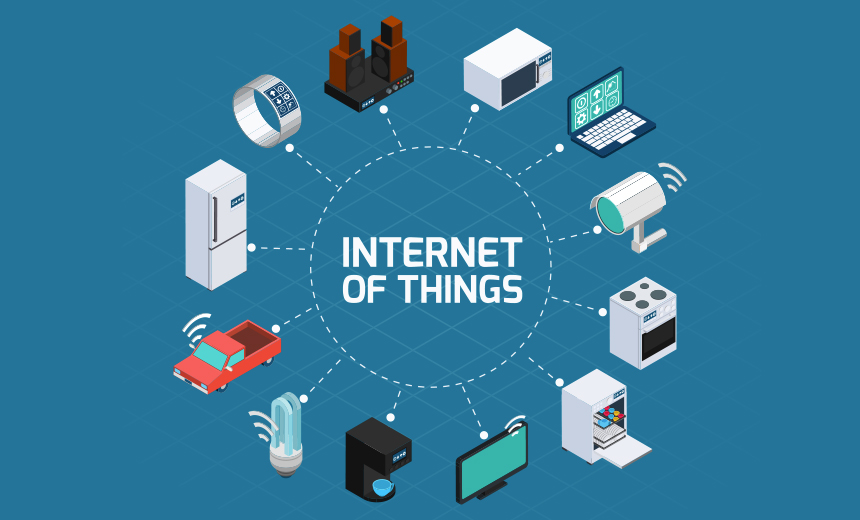

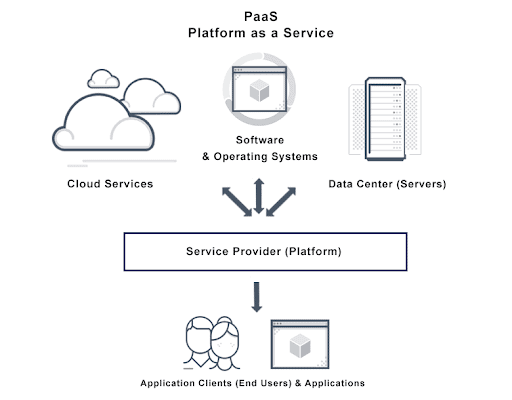

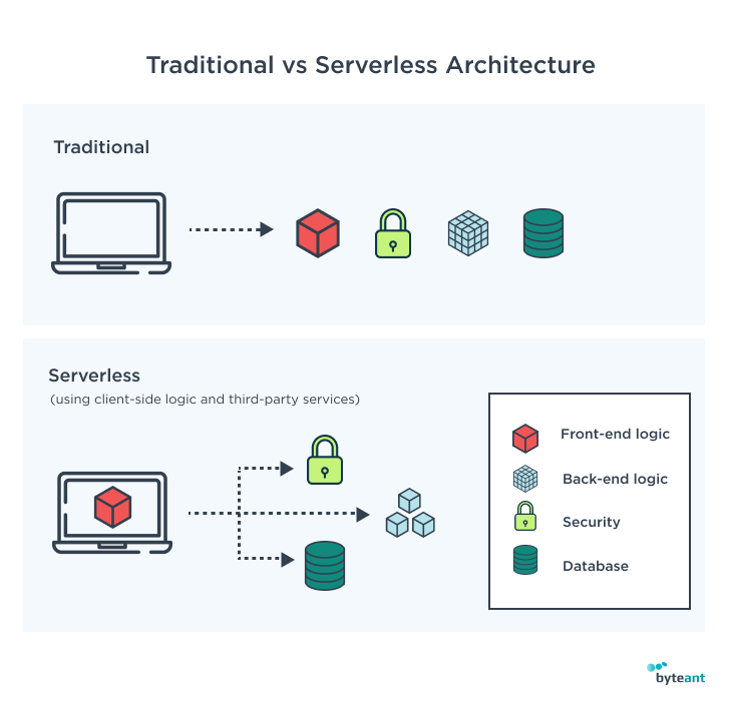
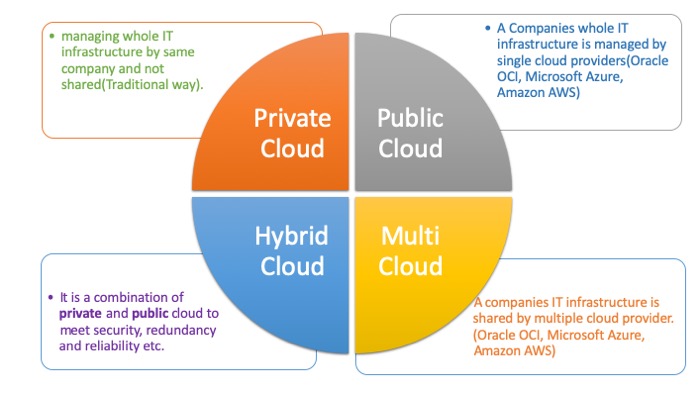


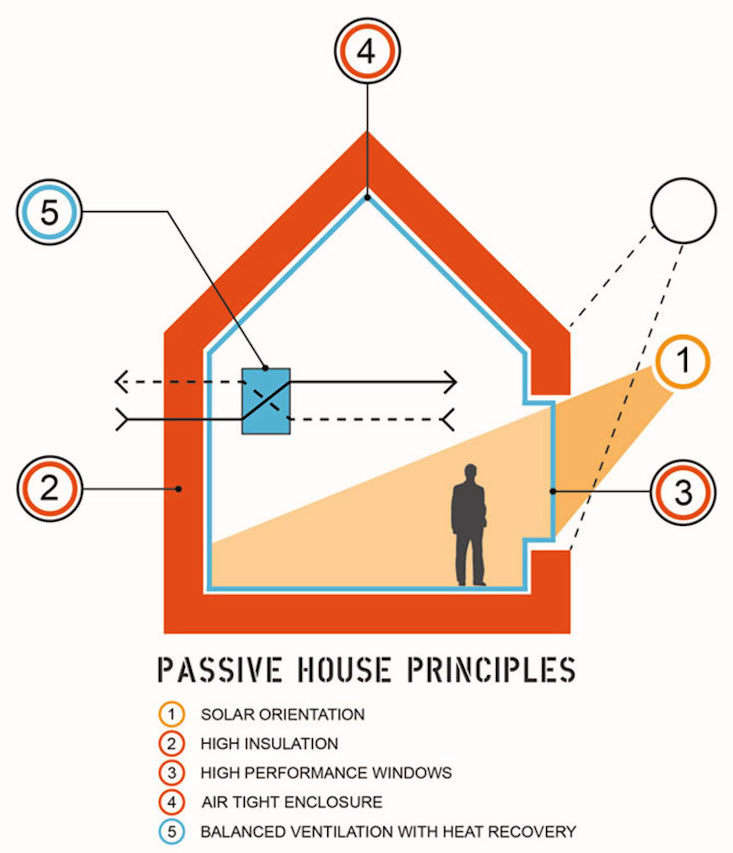
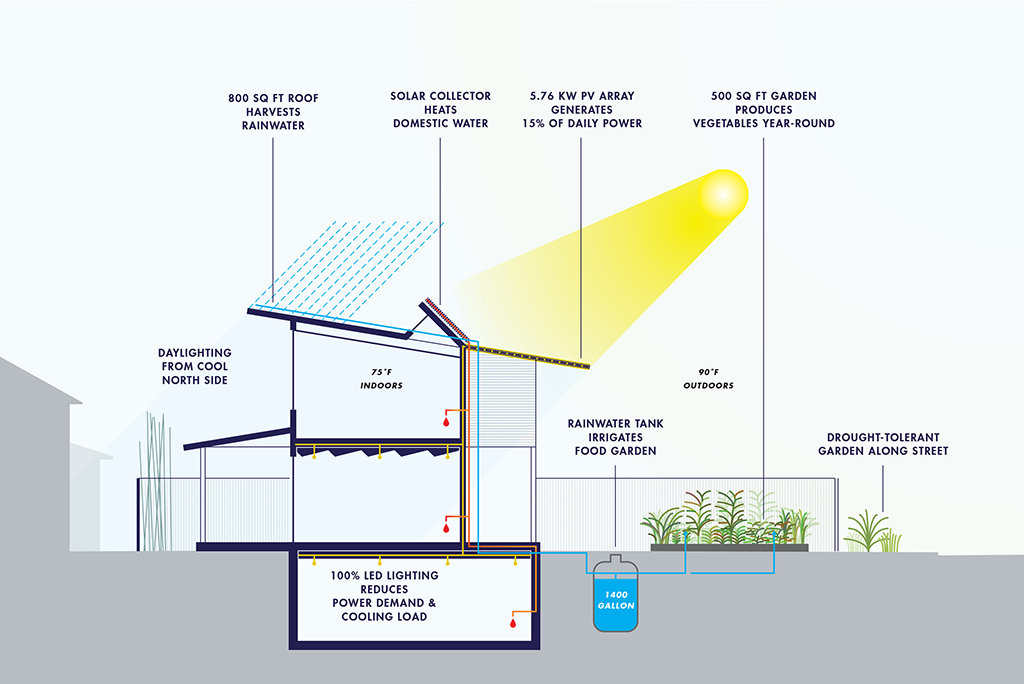


References
-
-
Abbasi, A. A., Abbasi, A., Shamshirband, S., Chronopoulos, A. T., Persico, V., & Pescapè, A. (2019). Software-defined cloud computing: A systematic review of the latest trends and developments. IEEE Access, 7, 93294-93314.
Al Dakheel, J., Del Pero, C., Aste, N., & Leonforte, F. (2020). Smart Buildings Features and Key Performance Indicators: A Review. Sustainable Cities and Society, 102328.
Al Farooq, A. (2020). Enforcing Security Policies with Data Provenance to Enrich the Security of IoT/Smart Building System (Doctoral dissertation, The University of North Carolina at Charlotte).
Aldossari, M. Q., & Sidorova, A. (2018). Consumer acceptance of Internet of Things (IoT): Smart home context. Journal of Computer Information Systems, 1-11.
Alnumay, W. S. (2020). A brief study on Software as a Service in Cloud Computing Paradigm. Journal of Engineering and Applied Sciences, 7(1), 1-15.
Al-Turjman, F., & Lemayian, J. P. (2020). Intelligence, security, and vehicular sensor networks in internet of things (IoT)-enabled smart-cities: An overview. Computers & Electrical Engineering, 87, 106776.
An, K., Wong, S. M., & Fung, J. C. H. (2019). Exploration of sustainable building morphologies for effective passive pollutant dispersion within compact urban environments. Building and Environment, 148, 508-523.
Anik, M. T. H., Saini, R., Danger, J. L., Guilley, S., & Karimi, N. (2020, May). Failure and attack detection by digital sensors. In 2020 IEEE European Test Symposium (ETS) (pp. 1-2). IEEE.
Atanda, J. O., & Öztürk, A. (2020). Social criteria of sustainable development in relation to green building assessment tools. Environment, Development, and Sustainability, 22(1), 61-87.
Atlam, H. F., Alenezi, A., Alassafi, M. O., & Wills, G. (2018). Blockchain with the internet of things: Benefits, challenges, and future directions. International Journal of Intelligent Systems and Applications, 10(6), 40-48.
Bekauri, S. (2016). Energy management in Smart Home.
Benzina, K. (2019). Cloud Infrastructure-as-a-Service as an Essential Facility: Market Structure, Competition, and the Need for Industry and Regulatory Solutions. Berkeley Tech. LJ, 34, 119.
Borza, P. N., Machedon-Pisu, M., & Hamza-Lup, F. (2019). Design of wireless sensors for IoT with energy storage and communication channel heterogeneity. Sensors, 19(15), 3364.
Brous, P., Janssen, M., & Herder, P. (2020). The dual effects of the Internet of Things (IoT): A systematic review of the benefits and risks of IoT adoption by organizations. International Journal of Information Management, 51, 101952.
Butt, S. A., Tariq, M. I., Jamal, T., Ali, A., Martinez, J. L. D., & De-La-Hoz-Franco, E. (2019). Predictive variables for agile development merging cloud computing services. IEEE Access, 7, 99273-99282.
Calles, M. A. (2020). Introduction to Cloud Computing Security. In Serverless Security (pp. 1-13). Apress, Berkeley, CA.
Campo, R., Villa, F., Catalina, J., Merino, L., Sanz, M., & Valderas, D. (2017, March). Chipless wireless displacement sensor sensitivity analysis for IoT applications. In the 2017 11th European Conference on Antennas and Propagation (EUCAP) (pp. 3795-3799). IEEE.
Cardenas, J. A., Andrews, J. B., Noyce, S. G., & Franklin, A. D. (2020). Carbon nanotube electronics for IoT sensors. Nano Futures, 4(1), 012001.
Chiesa, G., Acquaviva, A., Grosso, M., Bottaccioli, L., Floridia, M., Pristeri, E., & Sanna, E. M. (2019). Parametric optimization of window-to-wall ratio for passive buildings adopting a scripting methodology to dynamic-energy simulation. Sustainability, 11(11), 3078.
Ćurčić, A. A. (2019). PHOTOCATALYTIC SELF–CLEANING FACADES IN ARCHITECTURAL DESIGN. Facta Universitatis, Series: Architecture and Civil Engineering, 425-436.
D'Agostino, D., & Mazzarella, L. (2019). What is a Nearly zero energy building? Overview, implementation, and comparison of definitions. Journal of Building Engineering, 21, 200-212.
De Souza, R. W. R., Moreira, L. R., Rodrigues, J. J., Moreira, R. R., & de Albuquerque, V. H. C. (2018). Deploying wireless sensor networks–based smart grid for smart meters monitoring and control. International Journal of Communication Systems, 31(10), e3557.
De, D., Mukherjee, A., & Roy, D. G. (2020). Power and Delay Efficient Multilevel Offloading Strategies for Mobile Cloud Computing. Wireless Personal Communications, 1-28.
Deyi, L., Guisheng, C., & Haisu, Z. (2020). Analysis of hot topics in cloud computing. ZTE Communications, 8(4), 1-5.
Ding, Z., Fan, Z., Tam, V. W., Bian, Y., Li, S., Illankoon, I. C. S., & Moon, S. (2018). Green building evaluation system implementation. Building and Environment, 133, 32-40.
Dong, B., Prakash, V., Feng, F., & O'Neill, Z. (2019). A review of smart building sensing system for better indoor environment control. Energy and Buildings, 199, 29-46.
Eini, R., Linkous, L., Zohrabi, N., & Abdelwahed, S. (2019, April). A testbed for a smart building: design and implementation. In Proceedings of the Fourth Workshop on International Science of Smart City Operations and Platforms Engineering (pp. 1-6).
El Khatib, R., Arbuckle, A., Siemens, L., Siemens, R., & Winter, C. (2020). An “Open Lab?” The Electronic Textual Cultures Lab in the Evolving Digital Humanities Landscape.
Erkamp, R. Q., Jain, A. K., Bharat, S., Vignon, F. G. G. M., & Vaidya, K. (2020). U.S. Patent Application No. 16/468,022.
Gochhait, S., Butt, S. A., Jamal, T., & Ali, A. (2020). Cloud Enhances Agile Software Development. In Cloud Computing Applications and Techniques for E-Commerce (pp. 28-49). IGI Global.
González-Briones, A., Prieto, J., De La Prieta, F., Herrera-Viedma, E., & Corchado, J. M. (2018). Energy optimization using a case-based reasoning strategy. Sensors, 18(3), 865.
Hassan, W. H. (2019). Current research on the Internet of Things (IoT) security: A survey. Computer networks, 148, 283-294.
Havard, N., McGrath, S., Flanagan, C., & MacNamee, C. (2018, December). Smart building based on the Internet of Things technology. In 2018 12th International Conference on Sensing Technology (ICST) (pp. 278-281). IEEE.
He, B. J. (2019). Towards the next generation of green buildings for urban heat island mitigation: Zero UHI impact building. Sustainable Cities and Society, 50, 101647.
He, Y., Kvan, T., Liu, M., & Li, B. (2018). How green building rating systems affect designing green. Building and Environment, 133, 19-31.
Hellwig, R. T., Teli, D., Schweiker, M., Choi, J. H., Lee, M. J., Mora, R., ... & Al-Atrash, F. (2019). A framework for adopting adaptive thermal comfort principles in the design and operation of buildings. Energy and Buildings, 205, 109476.
Hu, M. Smart Building, and Current Technologies. (2020). In Smart Technologies and Design For Healthy Built Environments (pp. 75-91). Springer, Cham.
Illankoon, I. C. S., Tam, V. W., & Le, K. N. (2017). Environmental, economic, and social parameters in international green building rating tools. Journal of Professional Issues in Engineering Education and Practice, 143(2), 05016010.
Ishmaev, G. (2020). The ethical limits of blockchain-enabled markets for private IoT data. Philosophy & Technology, 33(3), 411-432.
Jangda, A., Pinckney, D., Brun, Y., & Guha, A. (2019). Formal foundations of serverless computing. Proceedings of the ACM on Programming Languages, 3(OOPSLA), 1-26.
Jayathissa, P., Quintana, M., Abdelrahman, M., & Miller, C. (2020). Humans-as-a-Sensor for Buildings—Intensive Longitudinal Indoor Comfort Models. Buildings, 10(10), 174.
Jia, M., Komeily, A., Wang, Y., & Srinivasan, R. S. (2019). Adopting Internet of Things for the development of smart buildings: A review of enabling technologies and applications. Automation in Construction, 101, 111-126.
Kledyński, Z., Bogdan, A., Jackiewicz-Rek, W., Lelicińska-Serafin, K., Machowska, A., Manczarski, P., ... & Walczak, J. (2020). Condition of circular economy in Poland. Archives of Civil Engineering, 66(3).
Klingenberg, K. (2020). Passive House (Passivhaus). Sustainable Built Environments, 327-349.
Kumar, A. (2020). Dynamic and Scalable Data Access and Integration Services in Cloud Computing Environment (Doctoral dissertation).
Kumar, V. A., Saranya, G., Elangovan, D., Chiranjeevi, V. R., & Kumar, V. A. (2019). IoT-based smart museum using wearable device. In International Conference on Innovative Computing and Communications (pp. 33-42). Springer, Singapore.
LAM, K. P. (2018). School of Design and Environment National University of Singapore.
Lan, L., Shi, R., Wang, B., & Zhang, L. (2019). An IoT unified access platform for heterogeneity sensing devices based on edge computing. IEEE Access, 7, 44199-44211.
Le, T. N., Chin, W. L., Truong, D. K., Nguyen, T. H., & Eissa, M. (2016). Advanced metering infrastructure based on smart meters in smart grid. Smart Metering Technology and Services-Inspirations for Energy Utilities.
Li, Y., Kubicki, S., Guerriero, A., & Rezgui, Y. (2019). Review of building energy performance certification schemes towards future improvement. Renewable and Sustainable Energy Reviews, 113, 109244.
Lima, T. M. P. (2018). SECO-AM: an approach for maintenance of IT architecture in software ecosystems.
Low, L. J. (2020). A Study on the Building Maintenance System in High Rise Building (Doctoral dissertation, Tunku Abdul Rahman University College).
Metallidou, C. K., Psannis, K. E., & Egyptiadou, E. A. (2020). Energy Efficiency in Smart Buildings: IoT Approaches. IEEE Access, 8, 63679-63699.
Mimidis-Kentis, A., Soler, J., Veitch, P., Broadbent, A., Mobilio, M., Riganelli, O., ... & Sayadi, B. (2019). The Next Generation Platform as A Service: Composition and Deployment of Platforms and Services. Future Internet, 11(5), 119.
Minoli, D., Sohraby, K., & Occhiogrosso, B. (2017). IoT considerations, requirements, and architectures for smart buildings—Energy optimization and next-generation building management systems. IEEE Internet of Things Journal, 4(1), 269-283.
Mocerino, C. (2017). Interoperable process: efficient systems in new constructive and product performances. Journal of Civil Engineering and Architecture, 11(5), 476-92.
Moran, P., O'Connell, J., & Goggins, J. (2020). Sustainable energy efficiency retrofits as residential buildings move towards nearly zero energy building (NZEB) standards. Energy and Buildings, 211, 109816.
Nauman, A., Qadri, Y. A., Amjad, M., Zikria, Y. B., Afzal, M. K., & Kim, S. W. (2020). Multimedia Internet of Things: A comprehensive survey. IEEE Access, 8, 8202-8250.
Oti, A. H., Kurul, E., Cheung, F., & Tah, J. H. M. (2016). A framework for the utilization of Building Management System data in building information models for building design and operation. Automation in Construction, 72, 195-210.
Papadopoulos, D. S. (2019). U.S. Patent No. 10,317,863. Washington, DC: U.S. Patent and Trademark Office.
Plageras, A. P., Psannis, K. E., Stergiou, C., Wang, H., & Gupta, B. B. (2018). Efficient IoT-based sensor BIG Data collection–processing and analysis in smart buildings. Future Generation Computer Systems, 82, 349-357.
Plageras, A. P., Psannis, K. E., Stergiou, C., Wang, H., & Gupta, B. B. (2018). Efficient IoT-based sensor BIG Data collection–processing and analysis in smart buildings. Future Generation Computer Systems, 82, 349-357.
Pujadas-Gispert, E., Korevaar, C. C., Alsailani, M., & Moonen, S. P. G. (2020). Linking constructive and energy innovations for a net-zero-energy building. Journal of Green Building, 15(1), 153-184.
Puķīte, I., & Geipele, I. (2017). Different approaches to building management and maintenance meaning explanation. Procedia Engineering, 172, 905-912.
Roundtable on Finance for Energy Efficiency in Greece, 25 October 2018 - European Commission. (2020). Retrieved 23 October 2020, from https://ec.europa.eu/energy/topics/energy-efficiency/financing-energy-efficiency/sustainable-energy-investment-forums/roundtable-finance-energy-efficiency-greece-25-october-2018_en
Roy, B., & Joby, P. P. (2020). Analysis and Detection of Malware Using Intrusion Detection Technique for a Private Cloud. International Journal of Applied Engineering Research, 15(7), 628-630.
Sehar, F., Pipattanasomporn, M., & Rahman, S. (2017). Integrated automation for optimal demand management in commercial buildings considering occupant comfort. Sustainable cities and society, 28, 16-29.
Shabunko, V., & Reindl, T. (2019, June). High-level financial assessment of colored BIPV façades: Case study in Singapore. In 2019 IEEE 46th Photovoltaic Specialists Conference (PVSC) (Vol. 2, pp. 1-4). IEEE.
Shah, A. S., Nasir, H., Fayaz, M., Lajis, A., & Shah, A. (2019). A review of energy consumption optimization techniques in IoT based smart building environments. Information, 10(3), 108.
Shah, S. H., & Yaqoob, I. (2016, August). A survey: Internet of Things (IoT) technologies, applications, and challenges. In 2016 IEEE Smart Energy Grid Engineering (SEGE) (pp. 381-385). IEEE.
Sood, T., Janssen, P., & Miller, C. (2020). Spacematch: Using environmental preferences to match occupants to suitable activity-based workspaces. Front. Built Environ, 6, 113.
Sood, T., Quintana, M., Jayathissa, P., AbdelRahman, M., & Miller, C. (2019, November). The SDE4 Learning Trail: Crowdsourcing occupant comfort feedback at a net-zero energy building. In Journal of Physics: Conference Series (Vol. 1343, No. 1, p. 012141). IOP Publishing.
Stamatescu, I., Bolboacă, V., & Stamatescu, G. (2018, April). Distributed monitoring of smart buildings with cloud backend infrastructure. In 2018 5th International Conference on Control, Decision, and Information Technologies (CoDIT) (pp. 1035-1039). IEEE.
Stankovic, D., Tanic, M., & Cvetanovic, A. (2019). The impact of intelligent systems on architectural aesthetics. In E3S Web of Conferences (Vol. 110). EDP Sciences.
Thakkar, S., Basak, D., Maskalik, S., Srinivasan, A., & Bhagwat, A. V. (2020). U.S. Patent No. 10,530,650. Washington, DC: U.S. Patent and Trademark Office.
Tomarchio, O., Calcaterra, D., & Di Modica, G. (2020). Cloud resource orchestration in the multi-cloud landscape: a systematic review of existing frameworks. Journal of Cloud Computing, 9(1), 1-24.
Torkura, K. A., Sukmana, M. I., Cheng, F., & Meinel, C. (2020). CloudStrike: Chaos Engineering for Security and Resiliency in Cloud Infrastructure. IEEE Access, 8, 123044-123060.
Verma, A., Prakash, S., Srivastava, V., Kumar, A., & Mukhopadhyay, S. C. (2019). Sensing, controlling, and IoT infrastructure in smart building: a review. IEEE Sensors Journal, 19(20), 9036-9046.
Xu, J. (2017, June). Study on the Importance of Implementing Green Buildings to Environmental Protection. In 2017 2nd International Conference on Education, Sports, Arts, and Management Engineering (ICESAME 2017). Atlantis Press.
Yang, C., Tan, L., Shi, N., Xu, B., Cao, Y., & Yu, K. (2020). AuthPrivacyChain: A blockchain-based access control framework with privacy protection in cloud. IEEE Access, 8, 70604-70615.
Yang, Y., & Deng, Z. D. (2019). Stretchable sensors for environmental monitoring. Applied Physics Reviews, 6(1), 011309.
Yu, Y., Wang, C., Gu, X., & Li, J. (2019). A novel deep learning-based method for damage identification of smart building structures. Structural Health Monitoring, 18(1), 143-163.
Yun, J., Ahn, I. Y., Song, J., & Kim, J. (2019). Implementation of Sensing and Actuation Capabilities for IoT Devices Using oneM2M Platforms. Sensors, 19(20), 4567.
Zaker Hosein, M. R. (2019). BIM implementation in architectural practices: towards advanced collaborative approaches based on digital technologies.
-